Why the era of Grade 1 water quality is inevitable.JPG

It is widely known that installing weirs deteriorates water quality.
Recently, even residents have been preventing the construction of more dams due to water quality degradation.
This is because building a dam causes dirty water to flow into tributaries, causing foul odors.
Is there a way to solve the fundamental water quality issues of the Four Major Rivers and turn them into Grade 1 water?
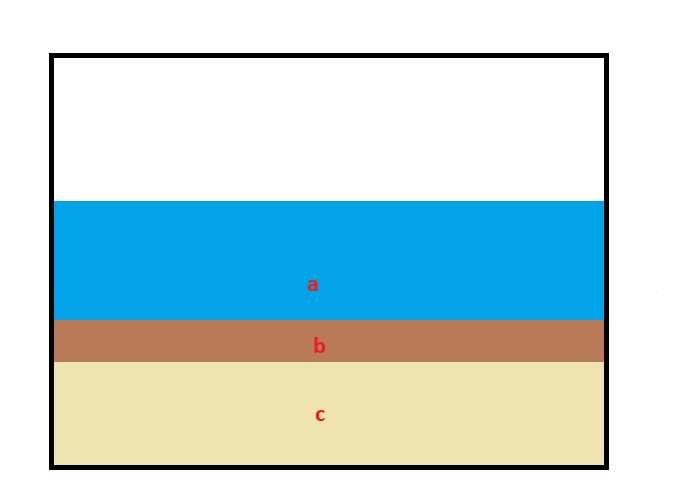
As time passes after a weir is installed, organic sediment sinks to the bottom of the river due to buoyancy,
and begins to decompose via microorganisms.
At this time, buoyancy filtration works, and the water quality becomes clean.
However, if the dissolved oxygen at the riverbed is completely depleted, the microorganisms die off, neutralizing the water purification system,
pollution begins from the bottom of the river, and the nutrient concentration in the surface layer increases.
The phosphorus concentration in the surface layer of the river is about 0.02~0.035 mg/L,
but rather than just looking at the concentration, the residence time of the nutrients is also important.
What that means is that even if the nutrient concentration in the surface layer is high,
if those nutrients sink to the bottom of the river and decomposition/absorption occurs there,
microorganisms proliferate; so even if surface nutrients are high, if the residence time is low, algae blooms do not occur.
However, once the oxygen at the riverbed is exhausted and microorganisms die, algae blooms occur
even if the nutrient concentration in the surface layer is low.
That is why oxygen supply pipes are buried at the bottom of the river.
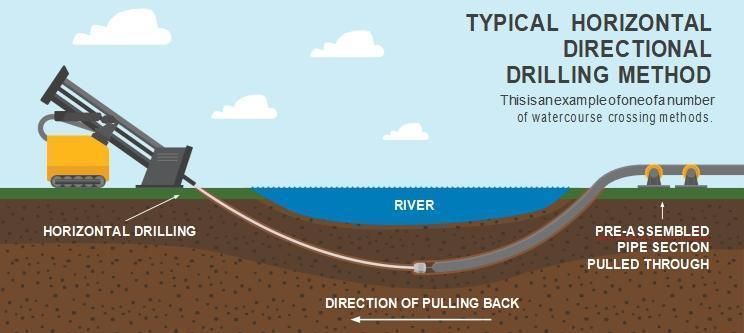
Using the HDD (Horizontal Directional Drilling) method, we dig from under the roads surrounding the river every 500m to go sideways,
burying pipes at effective target points unaffected by dredging, near the river's sand layer at -1m to -5m.
Oxygen is supplied at a pressure of 0.2 bar to 2 bar.
As that air pushes up through the sand, it supplies oxygen to the sand layer.
By supplying oxygen to the microorganisms living in the sand and silt, the biological treatment capacity increases exponentially.
Solar power generators are installed every 500m to charge external batteries, and surplus electricity is sold to KEPCO,
with a resting space provided under the solar generators.
This makes it easy to recover even during rain or typhoons.
For a distance of 30km, 60 units would be installed;
units 1 to 30 operate for 12 hours,
and units 30 to 60 operate for the other 12 hours.
Through this rotation, an AI management center selects the oxygen supply section based on the river's dissolved oxygen levels,
supplying oxygen according to the dissolved oxygen at the lowest layer of the river.
Yeongju Dam, the Four Major Rivers where weirs are installed, reservoirs, lakes, and Saemangeum can all be turned into Grade 1 water quality.
We can make the Four Major Rivers into rivers where sand is visible.
Then, by simultaneously dredging the main river channels and conducting sand inflow prevention facility projects, and using that sand for land reclamation projects,
all the money invested in the project can be recovered.
Comments 0