■ US Midterm Elections: 5 Reasons Why the Republicans Suffered a Crushing Defeat~~~
Machine translated
Source-BBC
- Soaring Cost of Living
Voters across the United States have been struggling with the skyrocketing prices of daily necessities. Anger over inflation was clearly evident even in major battleground areas.
One voter in North Carolina told the BBC before the election, "Gas prices, grocery prices, everything is going up," adding that they would vote for the Democrats instead of the Republicans in this election.
In September, consumer prices rose 3.7% compared to a year ago, driven by rising fuel and energy costs. According to government statistics, the average retail price of diesel in the U.S. in early October approached the all-time high of $6.52 per gallon recorded in September.
According to voter surveys, 79% of respondents said they or their families experienced serious or moderate economic hardship due to inflation over the past year.
Furthermore, more than 6 out of 10 respondents said that higher-than-usual prices were due to President Trump's policies. - The Unpopular Iran War
One of the primary causes of the price surge was the war with Iran, which the U.S. and Israel initiated last February.
As Iran effectively blockaded the Strait of Hormuz in retaliation, fuel prices soared. This blocked a key transport route through which much of the world's crude oil and Liquefied Natural Gas (LNG) flows.
Since then, American voters have felt the repercussions every time they refuel.
The majority of Americans were negative toward this war. Even among President Trump's 'MAGA' (Make America Great Again) supporters, there was a perception that he had broken his presidential campaign promise to prioritize 'America First' and not engage in further wars.
In voter surveys, 63% of respondents answered that the U.S. decision to take military action against Iran was a mistake.
Additionally, 74% of voters stated that this war was a decisive or important factor in determining how they would vote in the Congressional elections.
President Trump admitted the morning after the election that the war had influenced the defeat. However, in an interview with Fox News, he argued that intervention was necessary to prevent Iran from acquiring nuclear weapons. - The Democrats' Consistent 'Livelihood Message'
The role of competitive candidates was significant in the Democrats' landslide victory across such wide regions. Their authenticity, in particular, resonated with voters in traditionally Republican strongholds.
Democratic candidates delivered a consistent message focused on the burden of living costs and access to healthcare services.
James Tallarico, a former teacher, and Adam Hamilton, a pastor, gained empathy from voters in Texas and Kansas, respectively, through stories regarding their faith.
In South Carolina, Democrat Annie Andrews won against expectations. As a former pediatrician, Andrews focused on reducing the burden of medical expenses. This message resonated in a climate where many Americans feel the healthcare system is not functioning properly.
Abdul Elsayed, a former public health official, won in Michigan, defending a Democratic seat. His core message was, "Take the money out of politics and put it in your pockets."
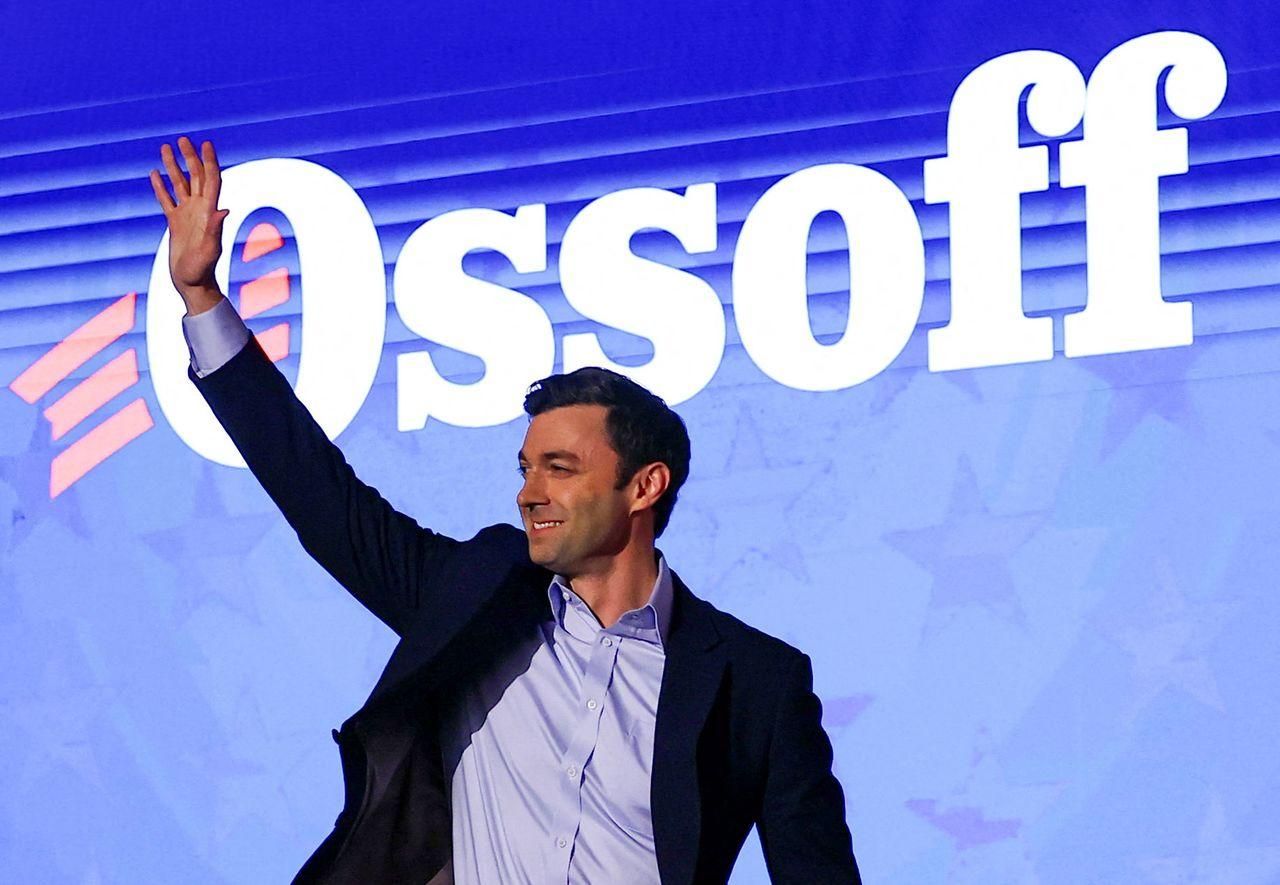
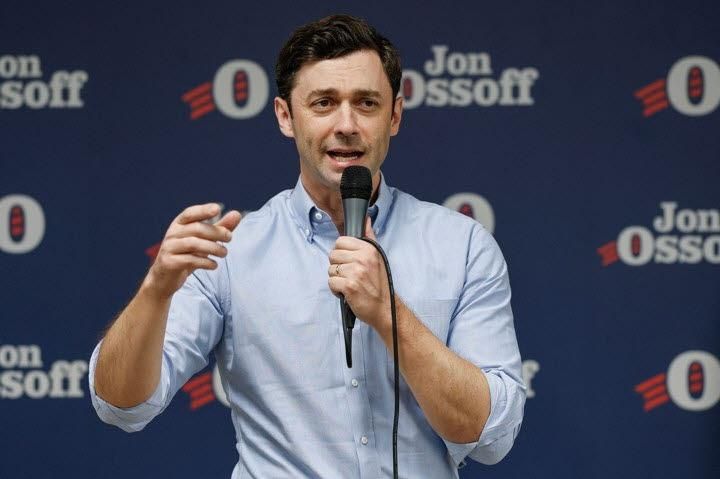
Democratic Senator John Ossoff, who successfully won re-election in Georgia, placed the cost of living and corruption issues at the forefront. As the 39-year-old Ossoff won comfortably in a state that President Trump won twice, speculation about his 2028 presidential run is expected to gain momentum.
Even President Trump evaluated the Democrats as having "done well" on Fox News.
On the other hand, some Republican candidates, such as Ken Paxton in Texas, faced criticism for poor campaigning, including failing to sufficiently address the concerns of voters. - Trump's 'Low Approval Rating' Hindering the Republicans
The two issues that caused the greatest voter dissatisfaction—the price surge and the Iran war—were both directly linked to President Trump.
As President Trump's approval rating declined even among Republican voters, the likelihood of the Republican Party struggling in some states that supported him in the 2024 presidential election increased.
To rally his base, President Trump encouraged people to vote as if it were an election he was running in.
However, some interpret the results as showing that Trump's brand, which has been at the center of American politics for over a decade, is not what it used to be.
Placing himself at the center of the Republican campaign while voter anger was growing proved to be a risky choice and ultimately seems to have backfired.
Polls in the months leading up to the election showed that many Americans wanted President Trump to pay more attention to their concerns regarding the price surge.
However, in his final rally in Washington D.C. on Monday, President Trump spent a long time talking about the conservative renovation of the Reflecting Pool behind him. This renovation project has been a subject of controversy. - Hispanic and Black Voters Turning Away Again
In the presidential election two years ago, some Hispanic and Black voters turned toward the Republican Party, contributing to President Trump's decisive victory. In this midterm election, that trend appears to have reversed.
The Democrats won all three Congressional districts in Texas and along the Mexican border where the Hispanic population is overwhelmingly large.
According to an analysis by the New York Times, in counties where Hispanics make up the majority, the vote share for Republican Senate candidates was more than 22 percentage points lower than the Republican vote share in the 2024 presidential election.
Data journalist Jeff Addison described this as the largest shift among major U.S. demographic groups.
This shift occurred amid spreading dissatisfaction with immigration enforcement. According to a Pew Research Center survey, 56% of Americans viewed Immigration and Customs Enforcement (ICE) negatively.
Democratic support also strengthened significantly in Senate elections in counties where Black residents make up the majority.
In Mississippi, the Senate election is showing a neck-and-neck pattern. Mississippi has the highest proportion of Black voters in the U.S. at approximately 37%.
If Scott Kelly wins, a Democrat will be elected as a federal Senator from Mississippi for the first time since 1982.
0
Comments 0